

Current Energy Market Situation in the United States (2024-2025)
Learn why committing to a long-term energy contract can provide your business with stable rates, financial predictability, and potential cost savings over time.
Learn why committing to a long-term energy contract can provide your business with stable rates, financial predictability, and potential cost savings over time.

Natural gas remains crucial in the U.S. energy mix, especially for power generation. Geopolitical tensions affect prices, while ongoing LNG exports reinforce the U.S.’s global leadership.
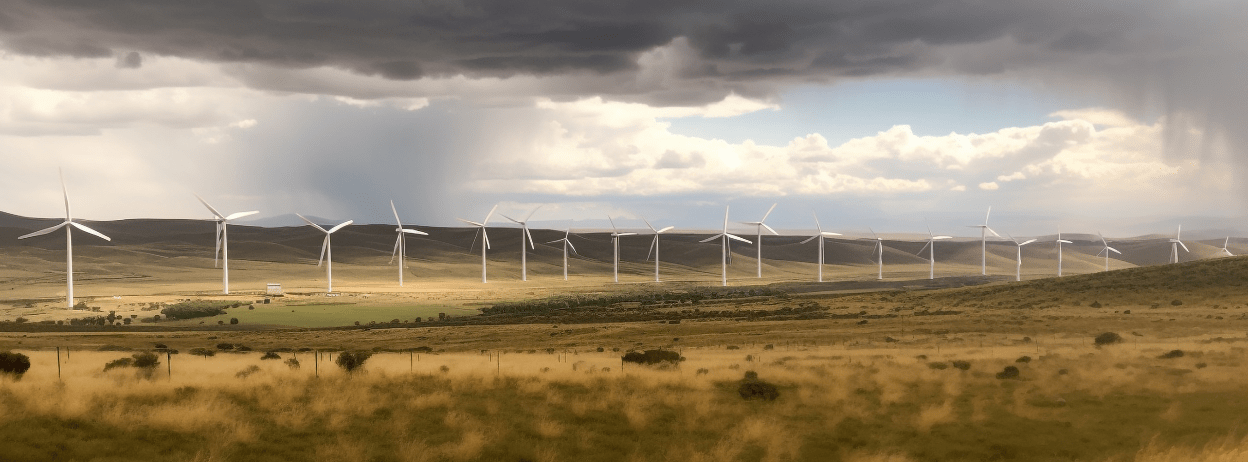
Canada’s energy market thrives on oil, natural gas, and hydropower, with a focus on net-zero goals and carbon pricing. LNG exports present significant opportunities for growth.
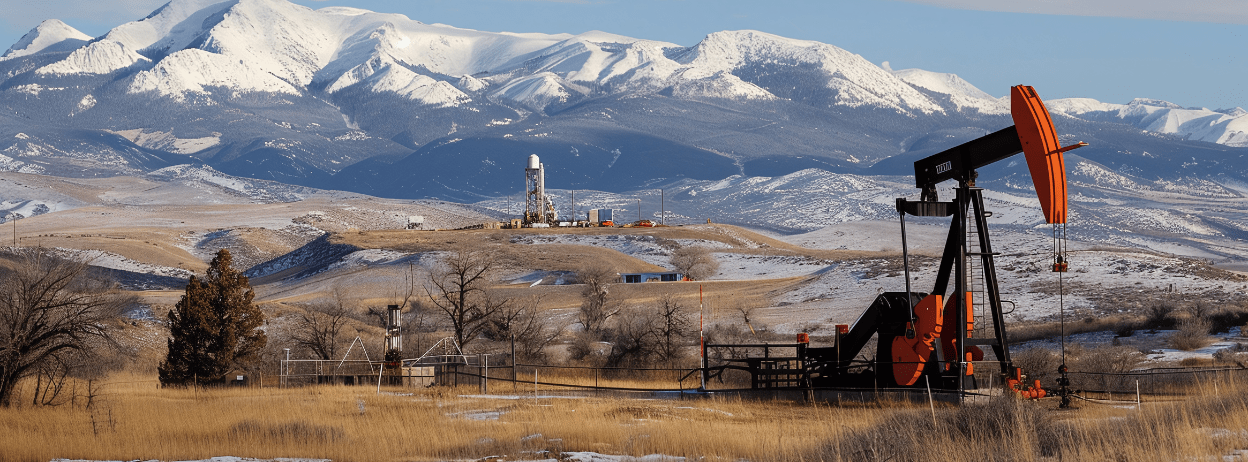
Alberta is a key player in Canada’s natural gas production, while British Columbia focuses on LNG projects to boost exports, particularly to Asian markets.
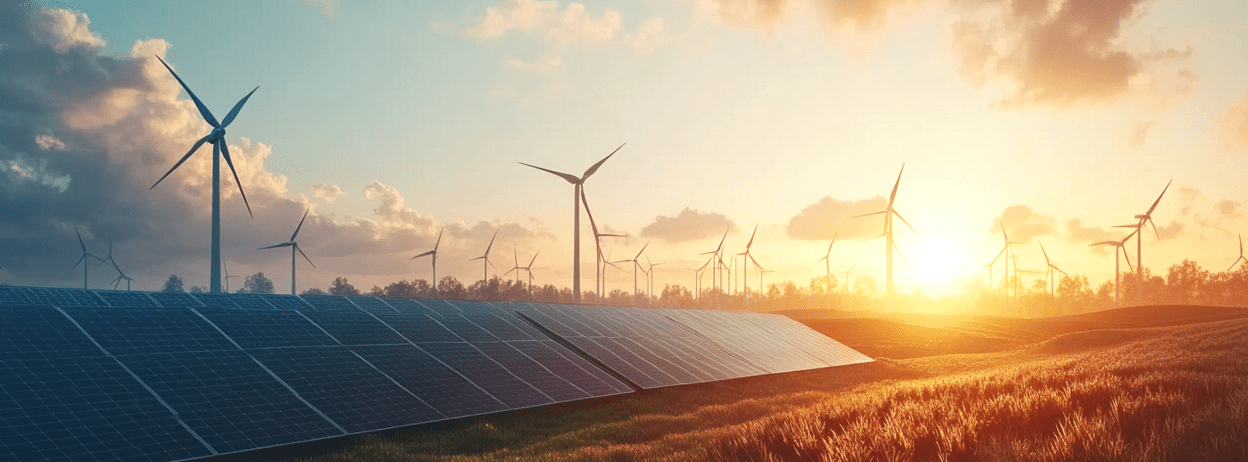
The Northeastern U.S. relies on natural gas but is shifting to renewables like offshore wind. Balancing costs and sustainability will determine the future of natural gas.
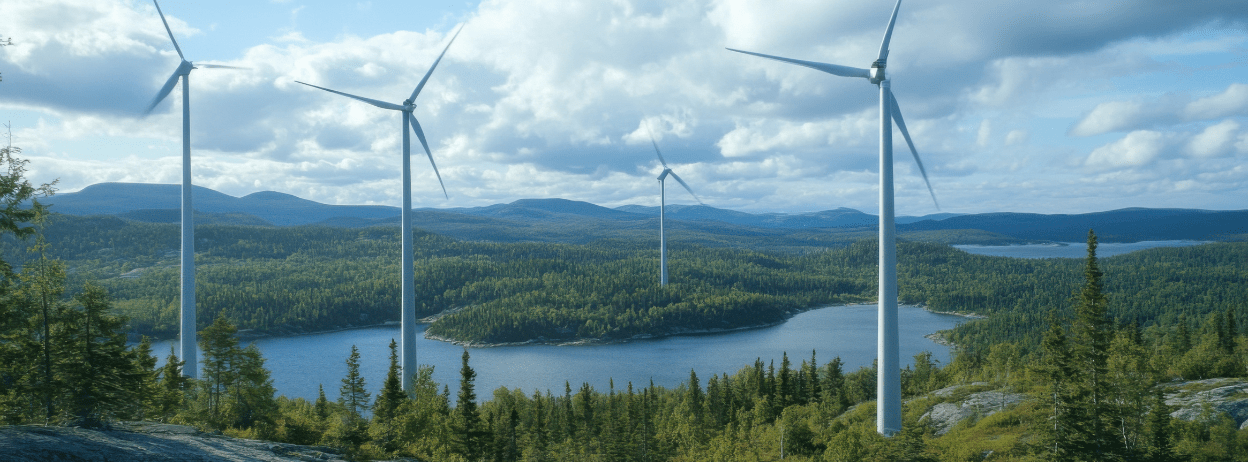
Canada aims for net-zero by 2050, led by hydropower and expanding wind and solar. Infrastructure upgrades will be key to balancing renewables with rising demand.

The Russia-Ukraine conflict has disrupted natural gas markets, boosting U.S. LNG exports to Europe and causing price volatility in North American markets.

The U.S. electricity market is shifting to renewables, driven by policies like the IRA. Grid modernization and energy storage are essential for stable, future-ready power.

Rising EV use is driving electricity demand, necessitating new charging infrastructure. Vehicle-to-grid tech aids grid stability, while Canada’s hydropower boosts clean energy goals.

Electricity costs, driven by natural gas prices and geopolitical tensions, fluctuate with renewable energy adoption, challenging governments to maintain stable and affordable pricing.